How one student helped to tackle poor nutrition in her community while discovering confidence
The School Enterprise Challenge encourages students to start by identifying a community need. For 15-year-old Sakina Shaikh and her classmates, one issue stood out. Many children were eating unhealthy food; few families knew about affordable, nutritious alternatives; and poor nutrition was affecting these childrens' health. Rather than seeing this as an unsolvable problem, the students at Lapmems School saw an opportunity to make a difference through enterprise.
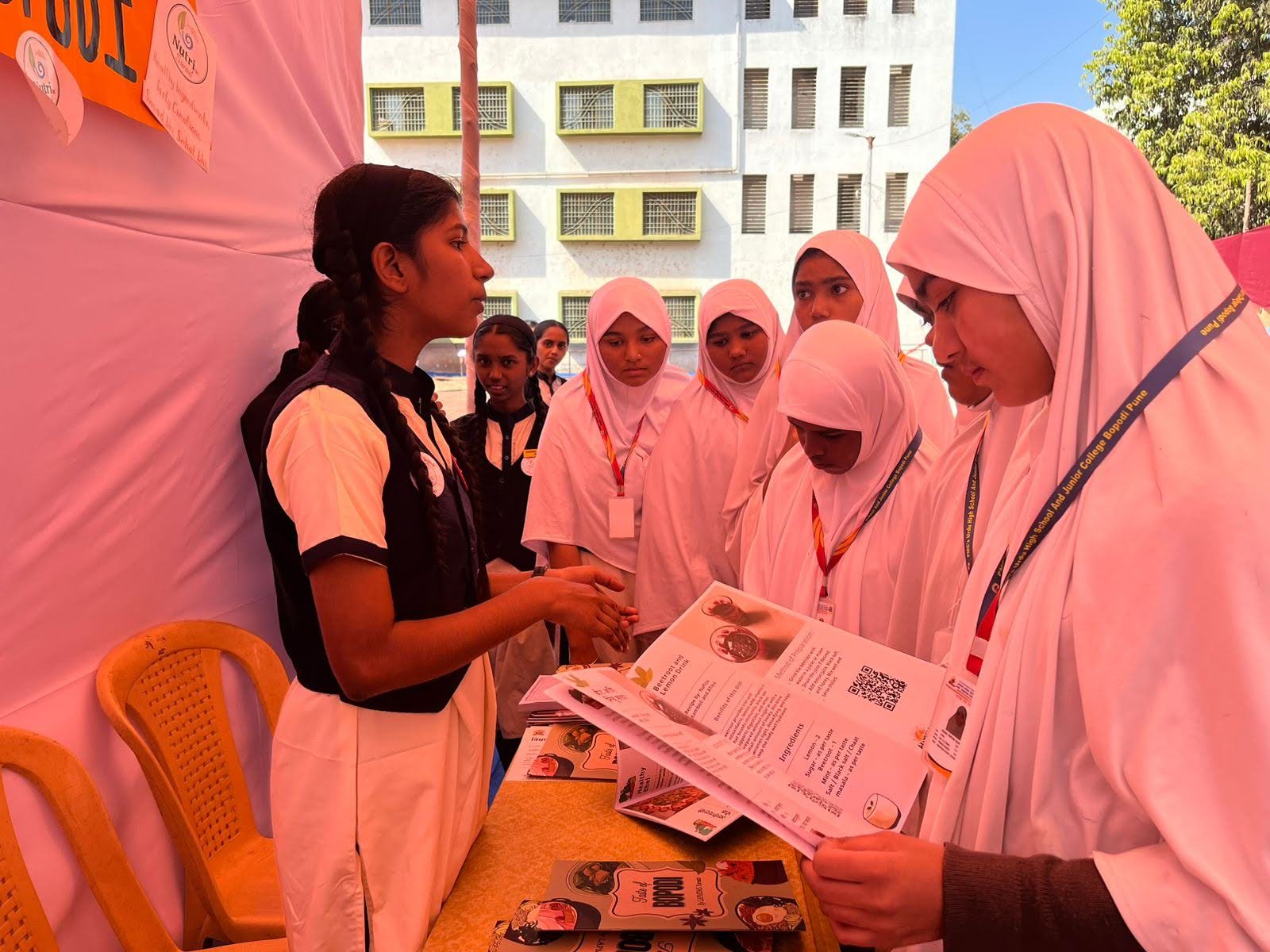
Sakina is a student at Lapmems School in Pune, India - one of the schools participating in the School Enterprise Challenge through Teach A Man To Fish's partnership with the Akanksha Foundation.
Together, Sakina and her classmates created “Nutriswaad”, a school business that promotes healthy eating through nutritious food products and a recipe book “Taste of Bopodi.” They collaborated with parents and the school's nutrition committee to source recipes that were healthy, practical and affordable for local families.
When Sakina first joined the business, she was frightened of speaking to strangers. "The first challenge was my communication," she says. "I was so afraid when I spoke to someone I didn't know".
Despite her nerves, Sakina joined the marketing team, where her role was to explain products to customers, promote the business and listen carefully to customer feedback. At first, every conversation felt intimidating. But with each school event and every new customer, her confidence slowly began to grow. "Now I am comfortable expressing my ideas to others."
The experience taught her much more than how to sell a product. By listening to customers, Sakina learned how feedback could improve the business. By explaining the team's ideas to visitors, she developed communication skills she now uses confidently both inside and outside the classroom.
But perhaps the biggest success wasn't Sakina's confidence. It was the difference the students were beginning to see across their school community
Helping to create impact in and beyond the school
The business is part of a wider school effort to improve nutrition. Activities and games are making learning about healthy eating enjoyable, encouraging conversations about nutrition both at school and at home. Alongside this, the school monitors students' wellbeing through regular health check-ups and classroom nutrition trackers, helping staff identify pupils who need additional support and monitor their progress over time.
According to Sakina and her teachers, since the school business was established, they have seen more children choosing nutritious food and becoming more focused in class,
while helping to challenge the idea that healthy food has to be boring.
The impact didn't stop there. Some parents became so inspired by the students' business that they began preparing nutritious recipes themselves and selling them, creating a small additional source of income for their families. She also reflected that the project strengthened collaboration between students and parents.
For Sakina, this community impact is what makes her proudest.
"Now everybody knows what nutrition is and what healthy food is."
Having the confidence to set her own goals and inspire others
Sakina's learning has spread into her own home too. As the eldest of five children, Sakina enjoys sharing what she has learned with her four younger siblings, often turning business concepts into games and encouraging them to think creatively about ideas of their own.
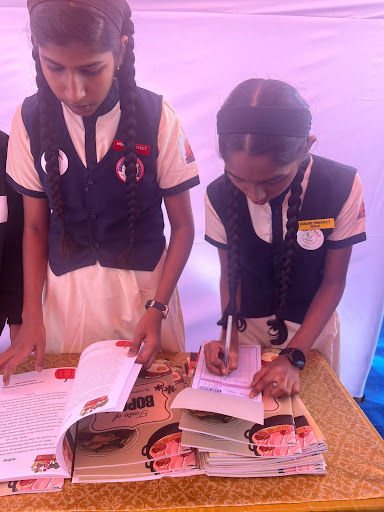
Alongside the nutrition project, Sakina also contributed to a student-led book exploring gender equality, in which students shared their own experiences of challenging gender stereotypes in their community and overcoming the barriers they faced. Sakina designed the book's front cover, an experience she says made her feel proud and strengthened her confidence.
"It helped me understand that girls can be leaders, share their ideas and contribute to important projects, It increased my confidence and inspired me to believe that girls and women can achieve their goals when they are given opportunities."
Looking ahead, Sakina hopes to become an artist. She believes the communication and marketing skills she developed through the School Enterprise Challenge will help her share and sell her artwork in the future. "If I want to sell my artwork," she says, "these skills will help me."
Sakina's story shows that entrepreneurship education is about far more than starting a business. By identifying a real problem in their community and creating a practical solution, Sakina and her classmates have helped make healthy eating more accessible while developing the confidence, creativity and leadership to shape their own futures.
With special thanks to our partner organisation, Akanksha Foundation for supporting the project; Ms Barnali for facilitating this conversation; and Manasi, School Social Worker and Coordinator for LAPMEMS, for her role in coordinating and supporting the initiative.